We spent three days in the Sierra Foothills before heading over the mountains to Mammoth Lakes. Our primary reason for stopping in the town of Plymouth was to visit the nearby wineries. We had been to this area several years ago, exploring the old gold rush towns and checking out the wineries, which I had heard about during my wine studies. We were surprised to discover just how good and how reasonably priced the wines of the Sierra Foothills actually are. I would highly recommend a trip to the area to any of you who enjoy wine tasting and fine wines.
The day we arrived I made a quick stop at Jeff Renquist Wines, where I was fortunate to meet two nice ladies who were club members. We hung out for a bit and I enjoyed a tasting before heading over to the RV park to help Frank set up camp. We had driven separately from Rio Vista, as the distance was short and I had errands to run. This winery makes a wide assortment of single varietals (no blends) and all are more than competent. I chose to purchase their Carignane and Petite Sirah, both of which can be hard to find.
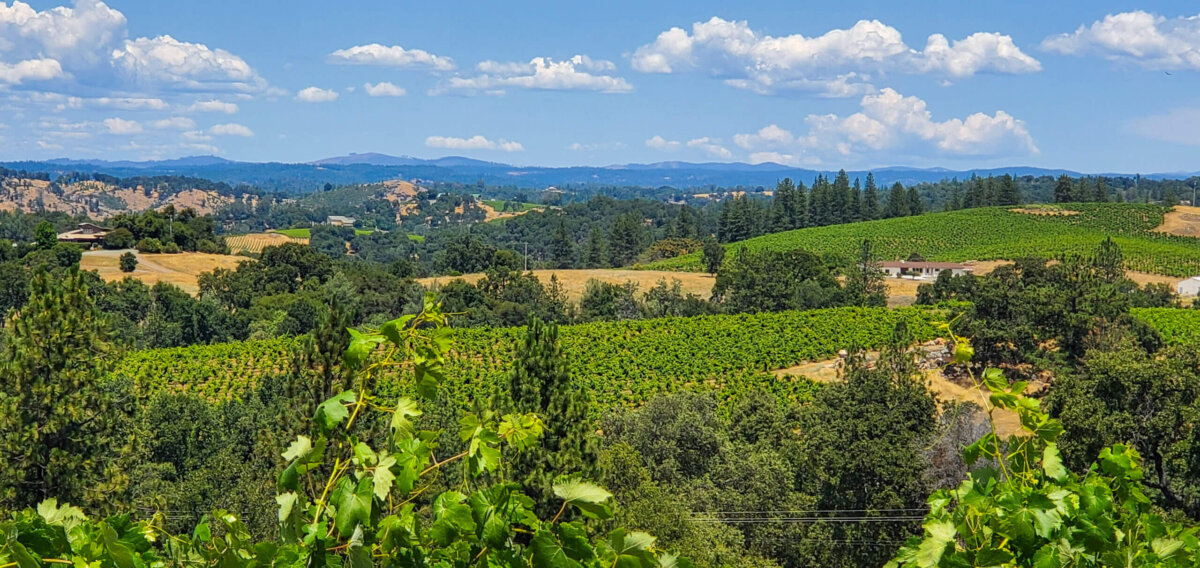
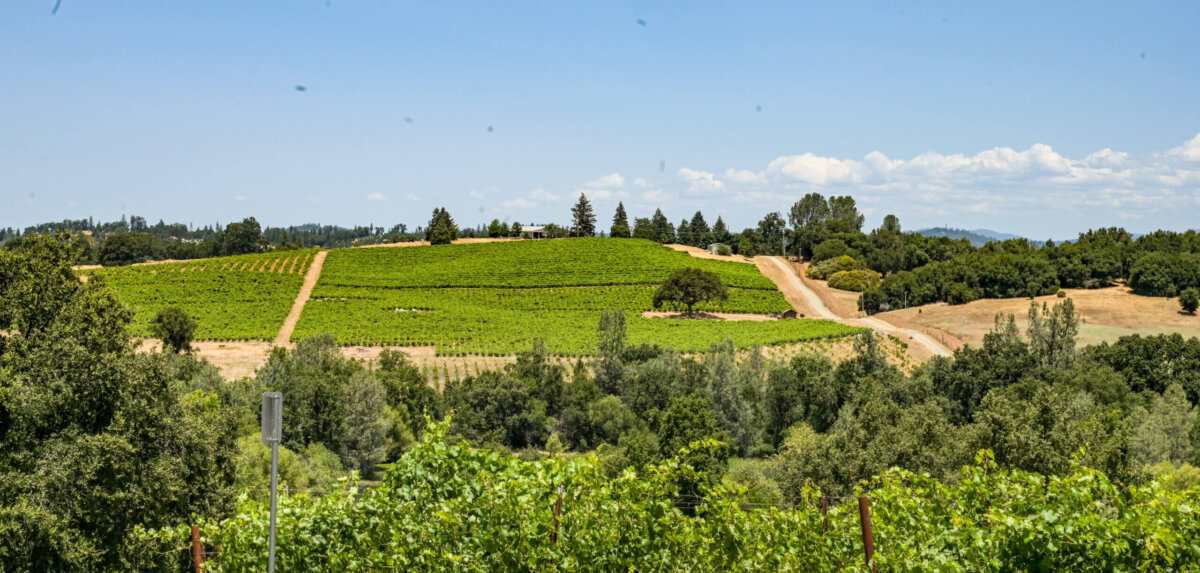
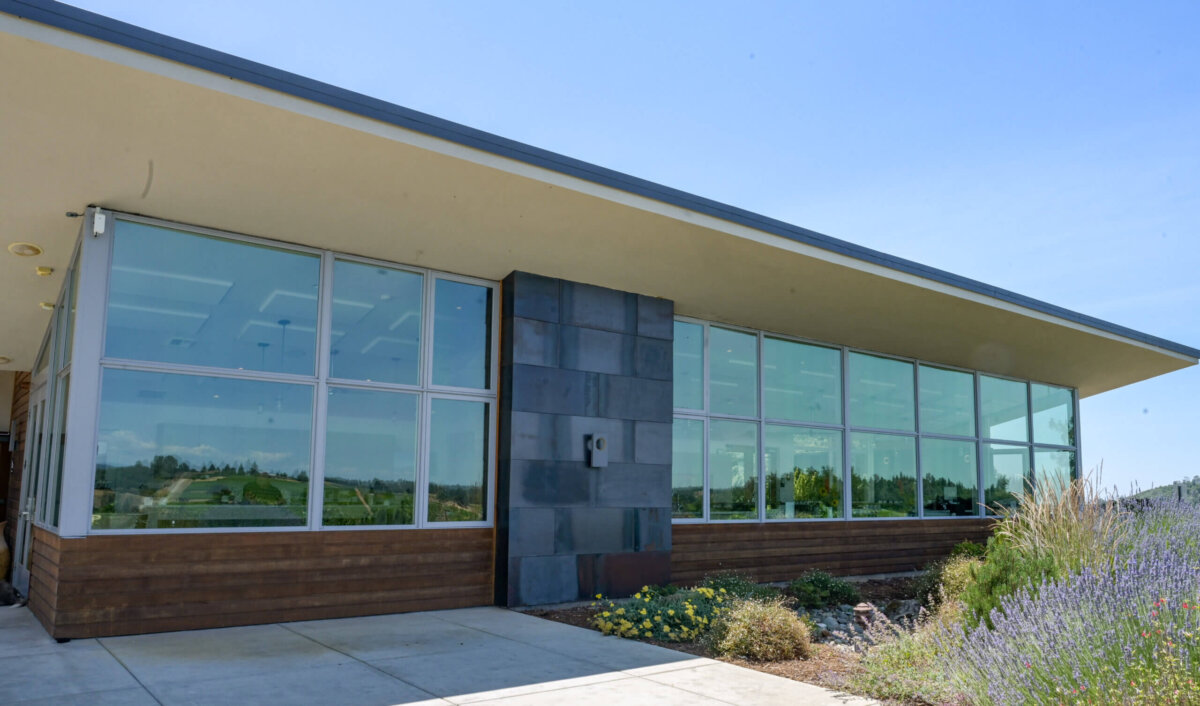
The next day, we spent the entire afternoon wine tasting. Our first stop, Iron Hub, had the most beautiful property of all the wineries we visited on our trip. They had a lovely modern building with stunning views of the mountains, which was surrounded on all sides by rolling hills planted with grape vines. We were served by the owner who shared with us the history of the vineyard and of her family; her husband and son are the winemakers. The winery is named for an an iron hub, which is part of an old wagon wheel, that was found on the property as they were preparing the soil for vine planting. It is on display in the tasting room. Their wines were very good but a bit restrained for my taste.
Our second stop was at Terre Rouge. This was not the most attractive or appealing property we visiting on our trip, but they did have an interesting collection of pottery and gourmet kitchen items for sale in the tasting room, which I forced myself not to look at too closely. Terre Rouge is their label for producing Rhone varietals, and they have a second label, Easton, which is used for everything else, particularly Zinfandel and Barbera. Their wines were quite good, but the best thing about this winery is that they have a huge selection of “library” wines, which are wines that have been released in years past. They actually have a small binder with a printed list by variety of every vintage available for each wine and the prices are shockingly low. It was impressive.
Our third stop of the day was by far the best. We were the only people in the tasting room late on a Monday afternoon and were lucky enough to be served by a pleasant lady with a great sense of humor. We were truly surprised by just how good the wines were; we loved almost everything we tried. Cooper Wines has been in operation since the 1970s, and is known for the quality of the grapes grown in their vineyards. In fact they sell approximately 70% of the grapes they grow to other wineries. Their wines were the best we tasted in the Sierra Foothills and we ended up purchasing 6 bottles, and are considering canceling one of our other wine clubs to join theirs. They produce a number of unusual varieties, such as Alicante Bouchet and Charbono, and their Barbera was wonderful. The price point, between $25 and $45 per bottle, is also very attractive.
That shot of the Sierra Nevadas from Iron Hub is gorgeous!